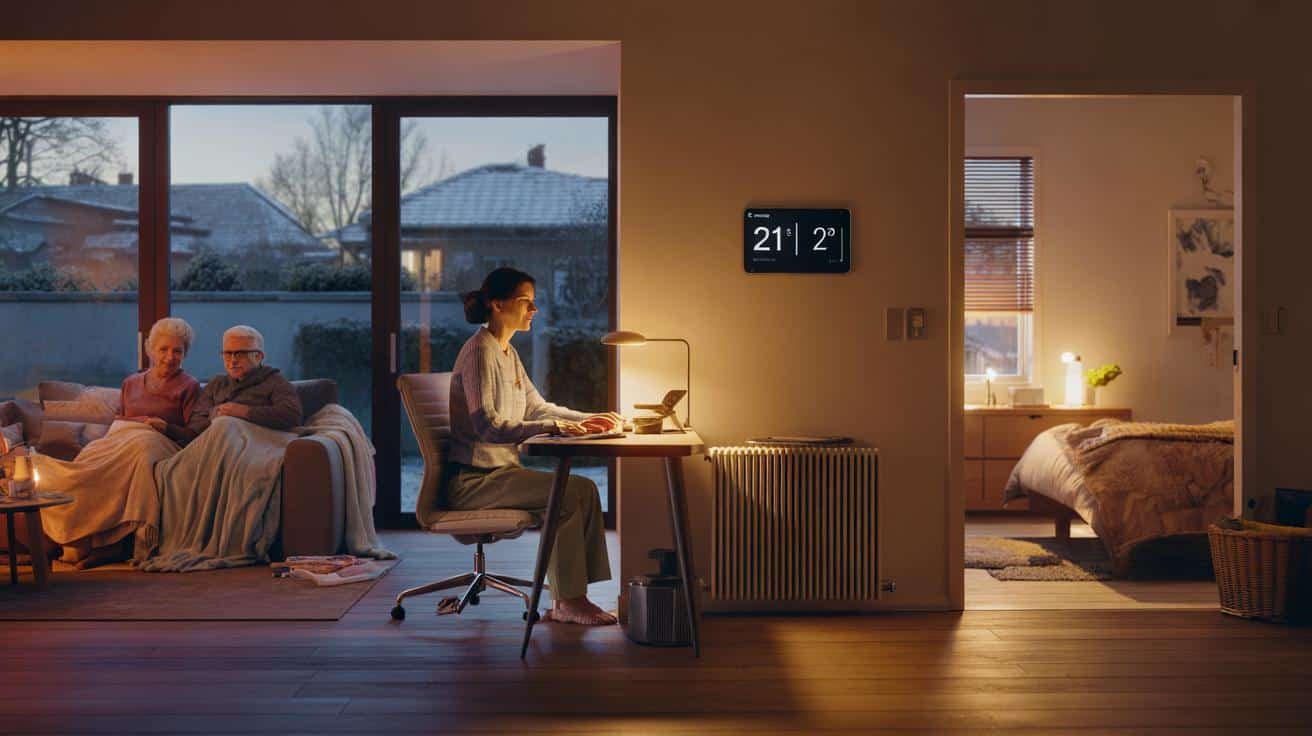
For years, people repeated the same advice about keeping the thermostat at 19 °C. New scientific data, better insulated homes and changing work habits are now pushing experts toward a different temperature range.
Why the 19 °c rule became a reference
For decades, many governments and energy agencies suggested 19 °C as a kind of golden rule for heating. It looked like a smart compromise between comfort, health and energy savings. In reality, that number came from older housing stock, different lifestyles and less time spent at home.
In the 1970s and 1980s, homes leaked heat through thin windows, poorly insulated roofs and draughty floors. People accepted thicker jumpers and cooler rooms because the cost of energy shocks hit hard. The 19 °C guideline helped reduce consumption in a simple way: one clear number everyone could remember.
Modern life changed that logic. Remote work means more hours indoors. People stay at home all day, not just evenings and weekends. At the same time, many buildings now keep heat far better than before thanks to double glazing and insulation upgrades.
Recent research suggests that a single fixed temperature rule no longer reflects how people live, work and age in today’s homes.
What temperature experts now recommend
Most current heating specialists no longer talk about one exact number. Instead they suggest a range that adapts to people’s age, health and activity level. For a healthy adult, many experts now point to 20–21 °C as a more realistic indoor temperature for living areas during the day.
This shift may look small on paper, but for the body it matters. Several studies show that cognitive performance, manual dexterity and general comfort start to drop below 19–20 °C, especially when someone remains seated for hours, as in home office conditions.
At night, the advice stays different. For better sleep quality, doctors still recommend cooler bedrooms around 16–18 °C, with enough blankets or duvets. The body needs a slight drop in core temperature to fall asleep and stay asleep.
Different temperatures for different rooms
Experts now lean towards a room-by-room strategy rather than a one-size-fits-all setting. A typical guideline looks like this:
- Living room / home office: 20–21 °C when occupied
- Kitchen: 18–19 °C, since cooking adds extra heat
- Bedroom: 16–18 °C at night
- Bathroom: 21–23 °C during showers, lower at other times
- Hallways and corridors: 16–17 °C
This approach respects different uses of each room and helps cut waste without sacrificing comfort where people sit still for long periods.
Health, age and vulnerability change the rules
Medical experts now speak more openly about the health risks of underheating. Prolonged exposure to low temperatures can raise blood pressure, stress the cardiovascular system and aggravate respiratory conditions. For some groups, a 19 °C limit feels less like a guideline and more like a threat.
Children, older adults and people with chronic illness often need slightly warmer rooms than a standard 19 °C setting.
Older adults and people with chronic conditions
Ageing bodies regulate temperature less efficiently. People with reduced mobility move less, so their muscles produce less heat. Public health agencies in the UK and other European countries now recommend that older adults keep main living areas at around 20–22 °C.
For someone with heart disease, asthma or arthritis, cold indoor air can trigger painful flare-ups. Chilly conditions may also worsen joint stiffness, which increases the risk of falls.
Children and babies
Young children lose body heat faster than adults. Paediatricians usually advise maintaining living rooms close to 20–21 °C during playtime. For babies, safe sleep guidelines still aim for cooler bedrooms, around 16–20 °C, combined with appropriate bedding layers rather than excessive heating.
The energy cost behind each extra degree
Raising the thermostat above 19 °C obviously affects the gas or electricity bill. Studies across Europe repeatedly show similar numbers: each extra degree often increases heating energy use by around 6–10%, depending on the home’s insulation and heating system.
| Daytime setpoint | Approx. change in heating use vs 19 °C |
|---|---|
| 18 °C | −6 to −10% |
| 19 °C | Reference level |
| 20 °C | +6 to +10% |
| 21 °C | +12 to +20% |
These numbers explain why the old 19 °C rule survived for so long. Yet the debate now shifts from a single number to a smarter way of using that energy.
Experts argue that intelligent control, zoning and insulation improvements save more energy than forcing everyone to live at 19 °C.
From rigid rules to smart heating
The new consensus focuses less on a fixed temperature and more on timing and zoning. Heating specialists encourage households to heat the right space, at the right moment, to the right level.
Timing the heat
Short, well-planned heating periods often work better than running radiators at a low level all day. Programmable thermostats or smart systems can warm the home before people wake up or return from work, then reduce the temperature when rooms stay empty.
Remote workers may need a different strategy. A small, well-heated office corner at 20–21 °C can feel far more efficient than trying to keep the entire house at that temperature.
Zoning the home
Radio-controlled valves on radiators, separate thermostats by floor or simply closing doors can create basic heating zones. This allows a warmer living room during the evening, a cooler bedroom at night and lower temperatures in rarely used rooms.
Energy advisers often suggest starting with these low‑cost steps before investing in bigger projects. Curtains that reach the floor, draught excluders along doors and simple window seals keep the heat where people actually live.
How insulation changes the ideal temperature
Insulation quality shapes how a setpoint feels. In a well‑insulated modern flat, 20 °C can feel cosy because walls and floors radiate less cold. In an old stone house with single glazing, that same 20 °C can still feel chilly due to cold surfaces and draughts.
This is why some experts say that “comfort temperature” matters more than air temperature alone. The body senses the temperature of surrounding surfaces, the movement of air and humidity. Two rooms at the same thermostat reading can feel very different.
A well‑insulated home allows a slightly lower thermostat setting for the same comfort, which reduces energy use without sacrificing warmth.
For households that cannot afford higher bills, targeted insulation—such as loft insulation, cavity wall filling or better windows—often brings more lasting benefits than stubbornly keeping the dial at 19 °C and shivering.
Balancing bills, health and climate goals
Governments still need people to reduce emissions from heating. At the same time, health services warn about cold‑related illnesses each winter. The new recommended ranges seek a balance between these pressures instead of relying on a single strict number.
Public campaigns now tend to use messages like “heat the rooms you use to 20 °C” rather than “never go above 19 °C”. This gives families space to adapt based on age, health and building type, while still promoting moderation.
Practical tips to adjust your own ideal temperature
Anyone trying to move beyond the 19 °C rule can run a simple home experiment across a week or two. The goal is to find the lowest temperature that still feels genuinely comfortable rather than heroically tolerable.
- Pick two or three likely setpoints, for example 19 °C, 20 °C and 21 °C.
- Keep each temperature for at least two full days during similar weather.
- Note how you sleep, concentrate and move around the home.
- Watch your meter or smart display to see the cost change.
- Adjust clothing slightly but avoid extreme layering that hides real comfort needs.
This kind of mini‑simulation often reveals that some rooms can stay cooler without discomfort, while workspaces and living rooms need that extra degree to feel right.
Another useful concept is “thermal zoning by activity”. Light exercise, housework and cooking naturally warm the body, so those times accept a cooler room. Long hours of laptop work or reading call for a slightly warmer setting. Linking heating schedules to these patterns can trim bills without forcing anyone to feel cold.
Finally, households can combine technical changes with behavioural ones. Simple habits—closing shutters at night, airing rooms quickly rather than leaving windows tilted for hours, or using rugs on cold floors—allow more flexibility around the new temperature recommendations. The 19 °C rule may fade, but considered choices about where and when to use heat now matter more than ever.