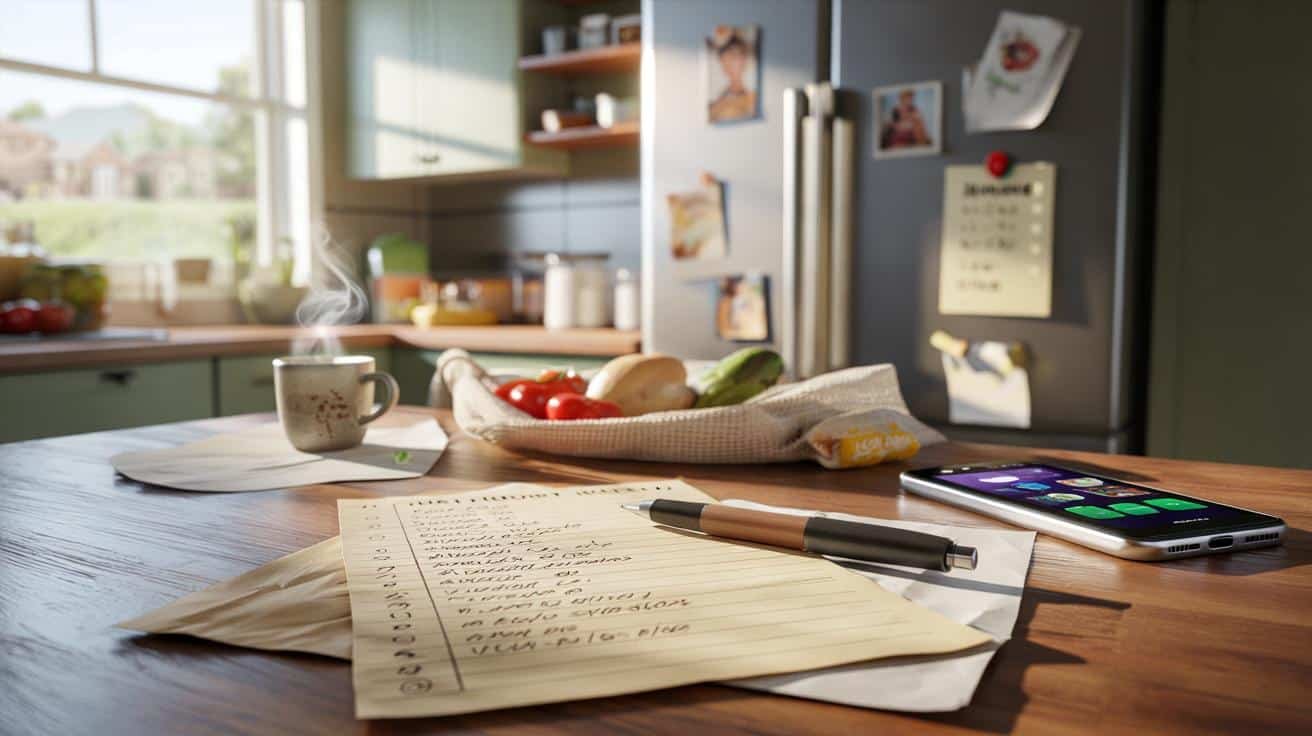
While grocery apps multiply, a quiet counter‑trend clings to biro and paper scraps, turning a mundane task into something almost intimate.
Across supermarkets in the US and UK, people still fish crumpled lists from pockets and handbags, even with a smartphone in hand. That small, nearly stubborn gesture now interests psychologists, retailers and even technology designers trying to decode what it reveals about the way we think, shop and live.
A small habit with big psychological clues
On the surface, a handwritten shopping list looks like a relic from the pre‑app era. Yet behavioural researchers say it lines up with deeper patterns in attention, memory and identity. In an age of voice assistants and AI recommendations, deliberately choosing pen and paper can signal a different relationship to time, technology and consumption.
Writing a list by hand forces the brain to slow down, choose, and commit. That mix of intention and friction changes how we buy.
People who keep this habit often describe it less as “organisation” and more as a ritual. The list sits on the fridge, on a kitchen counter or near the kettle. Items accumulate through the week, scribbled between two emails or while stirring a pan. That steady, low‑tech rhythm shapes not only what lands in the trolley, but how we feel about the whole act of shopping.
A quiet preference for simplicity
One clear pattern stands out: fans of paper lists usually like things stripped back. No logins. No notifications. No five‑step onboarding process before you can add milk.
Psychologists link this choice to what they call “low-friction systems” — ways of organising life that need almost no energy to start. A pen on the counter and an old envelope nearby beat any premium productivity app when you are cooking with one hand and fielding questions from a child with the other.
- Pen and paper work when the Wi‑Fi goes down.
- Anyone in the household can add items in seconds.
- No updates, passwords or privacy settings to manage.
That preference for simplicity often carries over into other parts of life. People who rely on paper lists tend to describe themselves as “no fuss”, more focused on function than on the latest digital trend. They value clarity: seeing, at a glance, what matters for the next shop, rather than navigating sub‑menus and filters.
Handwriting and the way your brain remembers
Neuroscience has repeatedly shown that writing by hand strengthens recall. When you form letters manually, more areas of the brain engage compared with tapping a screen. You plan the movement, feel the surface, adjust the pressure, correct the line.
Turning “bread, eggs, tomatoes” into a quick scribble builds a kind of mental rehearsal. By the time the list reaches the supermarket, much of it already lives in memory. That can mean fewer forgotten basics and fewer aimless loops around the aisles.
The act of writing creates a memory trace. You are not just storing items on paper; you are storing them in your nervous system.
Teachers use that same mechanism when they ask students to take notes manually. Shoppers, without thinking about it, harness a similar effect each time they jot “toothpaste” in the margin of an old bill.
Mindfulness in the cereal aisle
Turning a routine chore into a grounding ritual
Another reason this habit resists the digital tide sits in the way it calms people down. Writing a list by hand slows the pace of the day. You stand in the kitchen, scan shelves, register what is almost empty. For a few minutes, attention narrows to something simple and concrete.
Therapists often encourage small, repetitive gestures as a way to reduce stress. The shopping list fits that category surprisingly well. It gives a shape to vague worries like “we’re running low on everything” or “I’m losing control of the week” and turns them into a series of manageable lines on paper.
Each item you write shrinks an invisible worry into something you can literally hold, fold, and later cross out.
That sense of control can matter in tougher economic times. With prices shifting from week to week, a clear plan on paper helps some people feel less at the mercy of the supermarket and more in charge of their budget.
The tactile pull of pen, paper and a heavy line through “done”
Screens give light and colour. Paper gives texture and resistance. Many list‑writers say they simply enjoy the feeling of a pen gliding across a page, and the scratchy satisfaction of striking a thick line through completed items.
Psychologists talk about “tactile learners”, people who understand and remember better when their hands get involved. For them, moving a pen, folding a note, tucking it into a pocket or sticking it on the fridge creates a stronger bond with what is written.
| Digital list | Paper list |
|---|---|
| Tap to tick an item | Physically cross out or circle items |
| Screen vibration or sound | Texture of paper, pressure of pen |
| Cloud backup | Visible notes on fridge or table |
Those micro‑sensations might sound trivial, yet they build into small moments of pleasure during a busy day. In an environment where almost every task now flows through glass, touching something as basic as a scrap of paper can feel surprisingly grounding.
Family ties and inherited routines
For many, the paper list is not a productivity choice at all. It is a hand-me-down routine. Parents and grandparents did it this way. Children watched them pencil “Sunday roast” on a lined pad by the telephone. The method sticks, even as everything else in the kitchen goes smart.
This continuity matters emotionally. The list becomes part of a family script: someone calls across the room, “Add coffee to the list, please.” Guests scribble their favourite biscuits before a visit. People keep old lists tucked in cookbooks, spattered with sauce and memories.
A shopping list can act like a small family archive, tracking birthdays, holiday feasts and hard months where only essentials appear.
That emotional layer rarely attaches to an app, which leaves no smudges, no hurried arrows in the margin, no child’s drawing squeezed between “milk” and “rice”. The paper quietly records a domestic history that would never make it into a photo album.
Choosing paper as a soft resistance to constant screens
Autonomy in a hyper-connected world
There is also a subtle, almost political aspect to the choice. Sticking with paper means organising one slice of life outside phone ecosystems. No data profiles. No targeted ads based on how often you buy chocolate. No prompts to “upgrade to premium for unlimited lists”.
Some people choose this path deliberately as a way to carve out tech‑free pockets in their day. Others just follow habit, but the effect is similar: a bit more distance from devices that constantly demand attention.
From a resilience angle, paper has another advantage. Batteries die. Apps crash. Signal drops in the back of the store. A folded note in your pocket does none of that. In emergencies or during power cuts, that low‑tech reliability suddenly looks very modern.
Is paper really greener than your phone list?
The environmental comparison between digital and paper rarely comes out as clean as marketing suggests. A sheet of paper clearly uses trees, water and energy. Yet the digital path runs through smartphones, data centres and networks that also carry a hefty footprint.
People who reuse envelopes or print on the back of old documents for their lists try to strike a balance. One reused envelope can serve multiple trips, with lines added, crossed out, and rewritten. Some opt for small notebooks made from recycled paper, filling them over months rather than throwing away individual scraps.
- Digital lists avoid paper waste but rely on energy‑hungry devices and servers.
- Paper lists create physical waste but can use recycled material and be reused repeatedly.
- The green impact often depends less on the medium and more on volume, reuse and device lifespan.
Environmental psychologists suggest that the most sustainable option is the one you will actually stick to while wasting the least: that might mean a durable notebook, or a simple app used on a phone kept for several years instead of replaced frequently.
What your list style says about your shopping behaviour
Beyond personality traits, the way you write a list shapes how you navigate the store. Paper users tend to organise items by meal, by mental map of the supermarket, or simply as they notice gaps at home. That creates a personal logic that often stays stable over time.
Digital tools, by contrast, push different structures: by product category, by brand, by ongoing “favourites”. That can encourage repetition and brand loyalty, occasionally at the expense of trying cheaper or more seasonal options. A spontaneous scribble on paper — “try lentils instead of mince” — hints at flexibility that an auto‑filled app may not promote.
Your grocery list becomes a small mirror: it reveals whether you think in meals, in brands, in bargains, or in cravings.
Retailers know this and design shelf layouts to catch the wandering eye, especially when shoppers rely less on a strict list and more on memory. A clear handwritten list, with items grouped roughly by aisle, can act as a shield against some of those nudges, guiding you more directly and cutting down on impulse buys.
Turning the humble list into a practical tool
For anyone wanting to use paper lists more deliberately, small tweaks can boost both calm and savings. One method splits the page into quick columns: “must buy”, “nice to have”, and “if on offer”. As you shop, that structure nudges you to protect basics first and weigh extras based on real prices on the shelf.
Another tactic combines planning and waste reduction. Keep your list pad near the bin or compost caddy. Each time you throw away spoiled food, note what it was. Over a few weeks, a pattern usually appears — maybe salad leaves always go off, or yoghurt sits untouched. Adjusting quantities or switching products directly on the list can quietly cut that waste and reduce bills.
Parents sometimes use the paper list as a low-key teaching tool. Children get a line or two to manage — breakfast cereal, or fruit for school. They write it themselves, cross it out in the store, and start to see the cost of everyday items. That simple act ties handwriting, budgeting and food awareness together in a way a glowing screen rarely manages.